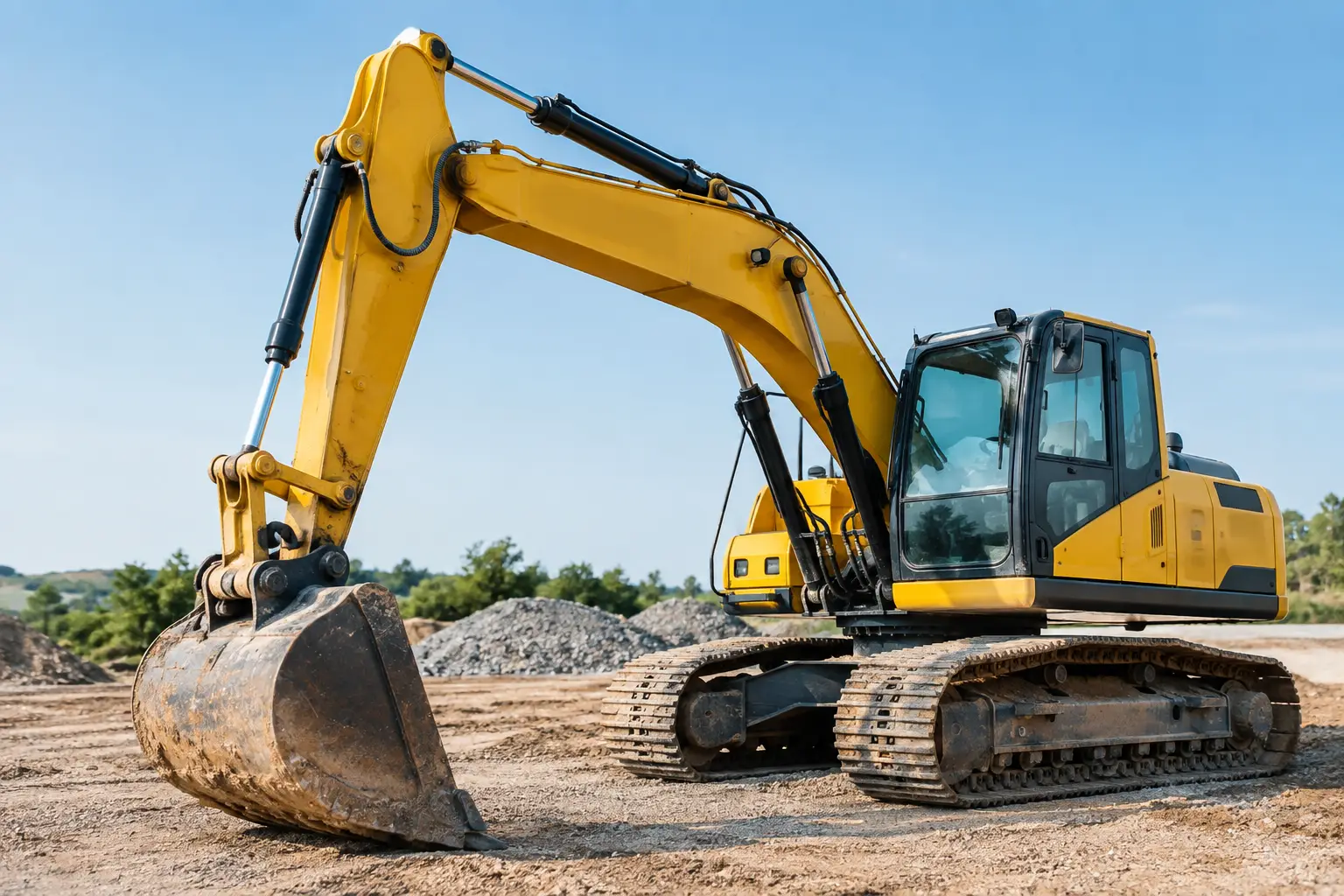
A compact excavator that fits the truck, reaches the utility trench, and stays productive through a long Florida workday can earn its place quickly. Used excavators give contractors and fleet owners a practical path to add capacity without taking on the full cost of a new machine. The right purchase is not simply the lowest-hour machine or the lowest advertised price. It is the machine with the size, condition, attachments, and service history to keep your crew moving.
For an owner-operator, that may mean a towable mini excavator that can handle drainage, footings, and light demolition. For a utility contractor or municipality, it may mean a heavier compact model with the digging depth and hydraulic performance to support daily trenching. Start with the work, then verify that the machine can perform it safely and consistently.
Start With the Job, Not the Price Tag
A used excavator should match the work it will perform most often. Buying too small can slow production, limit lifting capacity, and force operators to work at the edge of the machine’s capability. Buying too large can create transport problems, increase ground disturbance, and make tight residential or urban sites harder to work.
Begin with the material, trench depth, truck loading needs, and available space around the excavation. Operating weight matters because it affects stability, hauling requirements, ground pressure, and access. A machine in the 3,600-pound range can be a productive choice for confined work and straightforward towing. A larger compact excavator in the 10,000- to 21,000-pound class brings more reach, breakout force, lifting performance, and digging depth for recurring commercial, utility, and site-development work.
Tailswing configuration deserves the same attention. Zero-tailswing excavators are built to work close to buildings, walls, traffic lanes, and other obstacles. Their counterweight stays within or near the track width during rotation, helping operators work with less exposure in restricted areas. Conventional-tailswing models can offer a different balance of stability and service access, but the rear swing must be managed carefully where space is limited.
Do not select a machine based on horsepower alone. Engine power supports hydraulic flow and travel performance, but bucket breakout force, arm force, dig depth, dump height, lift charts, and auxiliary hydraulic capability tell a clearer story about daily production.
Inspect Used Excavators Where Problems Start
Hours are useful, but they are not a complete condition report. A well-maintained machine with higher hours may be a better purchase than a low-hour excavator that spent its life in abrasive material, poor operating conditions, or inconsistent maintenance. Inspect the machine in person whenever possible and run it through normal operating functions.
Start at the undercarriage. Tracks, sprockets, rollers, idlers, track tension, and the overall condition of the track frame can have a major effect on near-term ownership cost. Look for uneven wear, damaged track pads, loose components, oil leaks around travel motors, and excessive play. On a compact excavator, undercarriage condition matters just as much as the upper structure because it carries the machine through every cut, turn, and travel cycle.
Then inspect the boom, dipper, bucket linkage, and pin joints. Grease points should show evidence of regular care. Excessive movement at pins and bushings can signal wear that affects digging precision and may require repair. Check weld areas for cracks or repairs, particularly around the boom base, stick, blade, bucket mount, and attachment coupler. A professional repair is not automatically a reason to walk away, but it should lead to direct questions about the machine’s history and intended use.
Hydraulic performance is central to excavator productivity. Run the boom, arm, bucket, blade, swing, and travel functions at operating temperature. Watch for slow response, jerky movement, drift, unusual noise, or visible leaks at cylinders, hoses, pumps, and valve areas. Test auxiliary hydraulics if you will run a breaker, auger, thumb, grapple, or other attachment. A machine that digs well with a bucket but cannot properly support its planned attachments is not fully matched to the job.
The engine compartment should be clean enough to inspect, not necessarily showroom-clean. Check fluid levels and look for coolant residue, oil leaks, damaged wiring, loose hoses, and signs of overheating. Ask for service records covering routine maintenance, filters, fluids, track work, and major repairs. Records do not eliminate risk, but they show whether the prior owner treated maintenance as part of the operation.
Verify Operator Station and Safety Equipment
A productive excavator needs an operator who can stay focused through the shift. Check the seat, seat belt, control levers, travel pedals, display, switches, visibility, and cab or canopy structure. Make sure safety decals are present and readable, especially around lifting, swing radius, travel, and hydraulic hazards.
Operator comfort is not an extra feature when the machine is used every day. A supportive seat, clear controls, low vibration, and practical sightlines can reduce fatigue and improve grading, trenching, and loading accuracy. If multiple operators will use the excavator, have an experienced operator test the machine before the purchase decision is made.
For jobs that require lifting pipe, structures, or materials, confirm that the excavator has the correct lifting points, rated lifting information, and attachment setup for the task. Excavators are not interchangeable lifting machines. Capacity changes with boom position, arm position, swing angle, ground conditions, and attachment weight. Follow the manufacturer’s limits and jobsite lifting procedures every time.
Match Attachments to Revenue-Producing Work
A used excavator can become more valuable when it is equipped for more than digging. A hydraulic thumb improves control when handling debris, rock, logs, pipe, and demolition material. An auger can help a landscaping or fencing crew complete holes without adding another dedicated machine. A breaker can support concrete removal, while grading buckets and couplers improve finish work and changeover speed.
Attachments also create cost and compatibility questions. Confirm hydraulic flow and pressure requirements, coupler type, pin dimensions, machine weight limits, and electrical connections before assuming an attachment will fit. Ask whether the machine includes a thumb, coupler, bucket package, or auxiliary lines, then price any missing components as part of the total acquisition cost.
A lower purchase price can disappear quickly if the machine needs tracks, pins and bushings, a bucket rebuild, hydraulic repairs, or an attachment package immediately after delivery. Build a realistic first-year budget that includes transport, insurance, planned service, wear items, attachments, and operator familiarization.
Consider Transport, Support, and Financing
Transport affects which excavator makes sense for your business. Verify the machine’s operating weight with the bucket and any installed attachments, then compare that number with the trailer, truck, tie-down equipment, and licensing requirements you will use. A compact machine that can move efficiently between jobs may deliver more billable hours than a larger excavator that requires specialty hauling for every relocation.
Local dealer support also matters after the sale. Parts availability, technical knowledge, service capability, and access to the right attachments all affect uptime. BRIGGS | JCB helps Northeast Florida buyers compare compact excavator configurations based on the specifications that matter in the field, from operating weight and dig depth to tailswing design and hydraulic capability.
Financing can preserve working capital for labor, materials, and project mobilization, but compare the total cost rather than focusing only on the monthly payment. Consider the down payment, term, interest expense, anticipated maintenance, and the machine’s expected utilization. A used machine that sits idle is not a bargain. One that replaces rentals, shortens project timelines, or lets a crew take on profitable work can justify the investment.
Make the Purchase Decision With a Clear Checklist
Before committing, confirm the serial number, ownership documentation, service history, hour meter reading, included attachments, machine specifications, and delivery plan. If there is any uncertainty about condition, use a qualified equipment technician to inspect the excavator. The cost of an independent inspection is small compared with an unexpected engine, hydraulic, or undercarriage repair.
The best used excavator is the one that arrives ready for its assigned work, fits the way your crew transports and operates equipment, and has support behind it when service is needed. Buy for the jobs already on the schedule, leave capacity for the work you are pursuing next, and put condition ahead of a low sticker price.