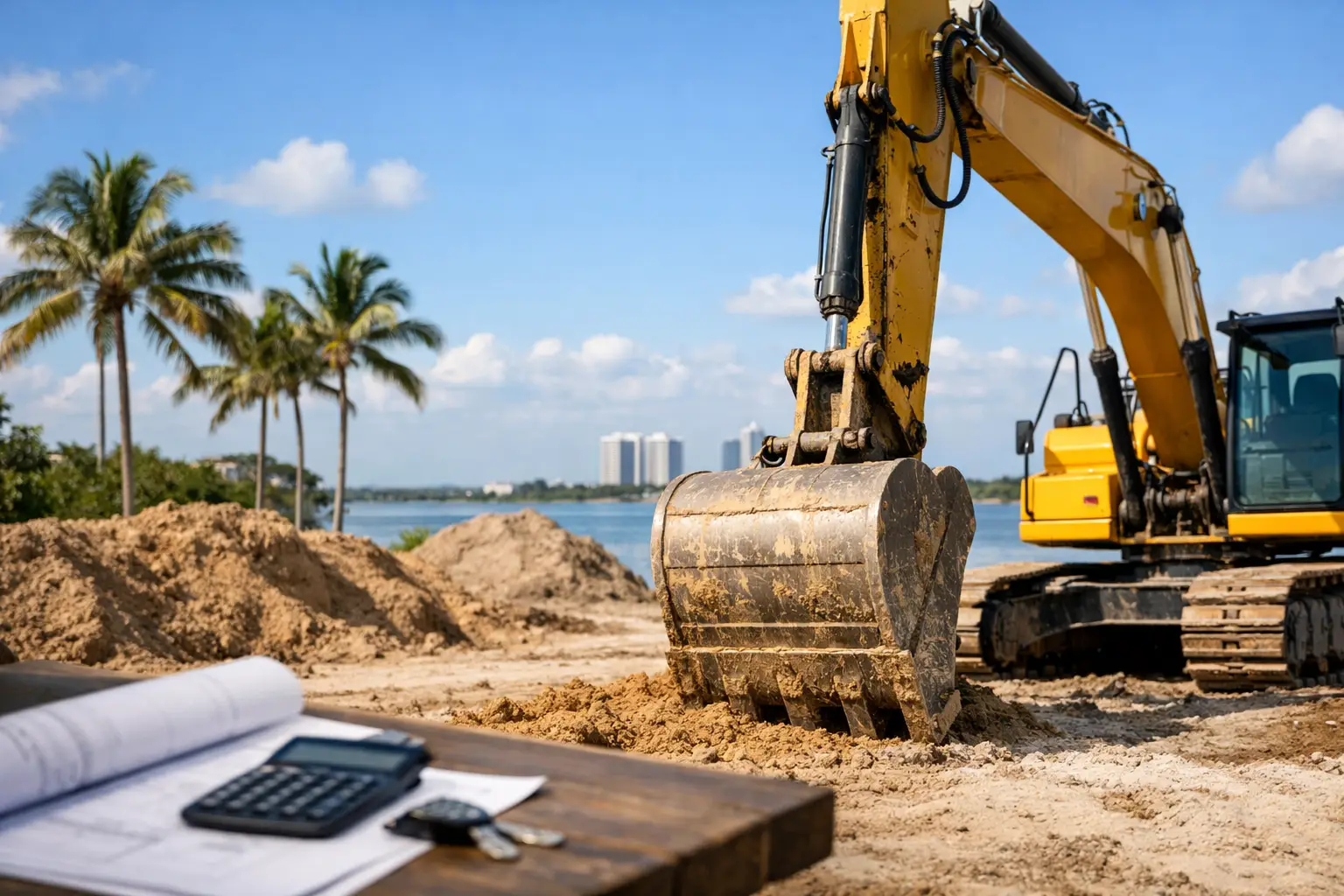
A compact excavator can start earning on the first day it reaches the jobsite, but the payment needs to work long after the first trench is cut. This excavator financing FAQ answers the questions contractors, utility crews, landscapers, and fleet buyers ask when they are matching a machine purchase to real project revenue, transport needs, and operating costs.
Excavator Financing FAQ: Start With the Machine’s Job
Financing should follow the work, not the other way around. Before comparing payment options, define the machine you need: operating weight, digging depth, tailswing, attachment requirements, trailer capacity, and expected annual hours. A smaller zero-tailswing excavator may be the right call for backyard utilities and tight landscaping access. A larger compact model may justify a higher payment when deeper excavation, lifting capacity, and faster production are part of every week.
The key question is whether the machine will replace rental expense, reduce labor hours, open higher-value work, or protect your schedule from equipment availability problems. If it will sit between occasional projects, a lower purchase price or a used unit may make better financial sense. If it will be a daily production machine, prioritize condition, support, attachment capability, and operator comfort along with the monthly payment.
What Is Excavator Financing?
Excavator financing is a structured way to purchase equipment over time rather than paying the full price upfront. The lender or finance provider pays for the machine, and your business makes scheduled payments under an agreed term. Depending on the structure, you may own the excavator at the end of the term or have an option to purchase it.
For most buyers, the practical benefit is preserving working capital. Cash that would have gone into a single equipment purchase can remain available for payroll, materials, insurance, fuel, mobilization, and the next job. The trade-off is financing cost. Interest and fees can increase the total amount paid, so the lowest monthly payment is not automatically the lowest-cost option.
How much down payment is required?
Down payment requirements vary with credit profile, time in business, equipment age, purchase price, and the lender’s guidelines. Some qualified commercial buyers may have low or no down payment options. Others may be asked to put money down to reduce lender risk and lower the amount financed.
A larger down payment generally reduces the payment and total interest paid. It can also help an owner-operator qualify for a machine that better fits the work. However, do not drain the cash reserve needed to keep crews moving. A business that puts every available dollar into an excavator but cannot cover a repair, a slow-paying customer, or job materials has created a different problem.
What financing term should I choose?
Terms commonly run from several years up to longer periods based on the equipment and credit strength. Shorter terms usually mean higher monthly payments but less interest over the life of the agreement. Longer terms lower the monthly obligation, which can help seasonal businesses or buyers adding multiple machines, but they can increase total financing cost.
Match the term to the expected useful life and workload of the machine. A new compact excavator with steady utilization may support a longer term. A used machine with high hours, or a machine purchased for a short-duration specialty contract, may call for a shorter payoff plan. The goal is to avoid carrying a large balance on a machine that is no longer producing enough work to support itself.
What Do Lenders Review?
Lenders typically review business and personal credit, time in business, revenue, existing debt, cash flow, and the equipment being purchased. A well-established contractor with predictable commercial work may have a different approval path than a newly formed landscaping company purchasing its first mini excavator.
Newer businesses can still have financing options. Be ready to provide clear information: recent bank statements, tax returns or financial statements when requested, proof of insurance, business formation documents, and details about the equipment and dealer quote. Clean, complete paperwork helps prevent delays when a machine is needed for an upcoming mobilization.
Credit matters, but it is not the only factor. A buyer with average credit and strong cash flow may have a workable option, while a buyer with excellent credit but heavy existing obligations may face tighter terms. Ask for the full structure of the offer, not just an approval amount.
Can I finance a used excavator?
Yes, used excavators can often be financed, though equipment age, hours, condition, and value matter. New equipment generally gives lenders more predictable collateral value and may qualify for longer terms or more competitive rates. Used equipment can reduce the purchase price and get a capable machine into your fleet with less capital required upfront.
The trade-off is maintenance exposure. A lower payment on an older excavator can disappear quickly if unplanned repairs, downtime, or transport issues interrupt production. Review service history, undercarriage condition, hydraulic performance, attachment compatibility, and operating hours. Make sure the used machine’s projected payment leaves room for preventive maintenance and repairs.
Can attachments be included in the financing?
Often, yes. Buckets, hydraulic breakers, augers, couplers, thumbs, and other approved work tools may be included with the machine purchase. This can be a practical approach when the attachment is essential to the work you are buying the excavator to perform.
Finance only the tools that will see regular use. A hydraulic thumb can improve material handling and demolition productivity on many jobs, while an auger may be necessary for fence, pole, or planting work. But adding every possible attachment raises the financed amount and payment. Build the package around work already scheduled or a clear revenue opportunity.
How Should I Compare Financing Offers?
Compare the amount financed, rate, term, payment frequency, total scheduled payments, down payment, documentation fees, prepayment rules, and end-of-term obligations. Two offers can show similar monthly payments while producing very different total costs.
Payment timing also matters. Monthly payments are familiar, but some businesses benefit from payment schedules that better reflect their billing cycle or seasonal workload. If your revenue drops during part of the year, discuss that upfront rather than assuming a standard payment schedule will fit.
Be direct about what your operation needs. If you are replacing a rental unit before a utility contract starts, speed may matter. If you are building a long-term fleet, rate, warranty coverage, and standardization may carry more weight. BRIGGS | JCB can help buyers align a JCB compact excavator and financing request with the work in front of them.
Should I Lease or Finance an Excavator?
The right answer depends on how long you expect to keep the machine and how heavily it will be used. A financing arrangement geared toward ownership is often a strong fit for contractors who expect to run an excavator for years, maintain it properly, and retain resale value. A lease structure may make sense when payment flexibility, planned replacement cycles, or preserving capital is the priority.
Read the end-of-term language closely. Know whether you own the excavator, have a purchase option, face a residual payment, or need to return the machine under specific condition requirements. There is no universally better structure. The better choice is the one that fits your utilization, cash flow, and replacement plan.
Questions to Ask Before You Sign
Ask how soon funding can be completed, what documentation is still needed, whether the offer applies to the exact machine and attachments quoted, and whether insurance requirements affect delivery timing. Confirm the payment amount, first payment date, late-payment terms, and whether early payoff is allowed without a penalty.
Also look beyond the contract. Plan for fuel, routine service, wear items, transport, attachments, insurance, and operator training. A compact excavator is a production asset, but it performs only when it is maintained, insured, and matched to capable operators.
The best financing decision gives your crew the right excavator for the job without putting unnecessary pressure on the business. Start with the work you need to complete, run the numbers against realistic utilization, and choose a payment structure that leaves room to keep the next job moving.