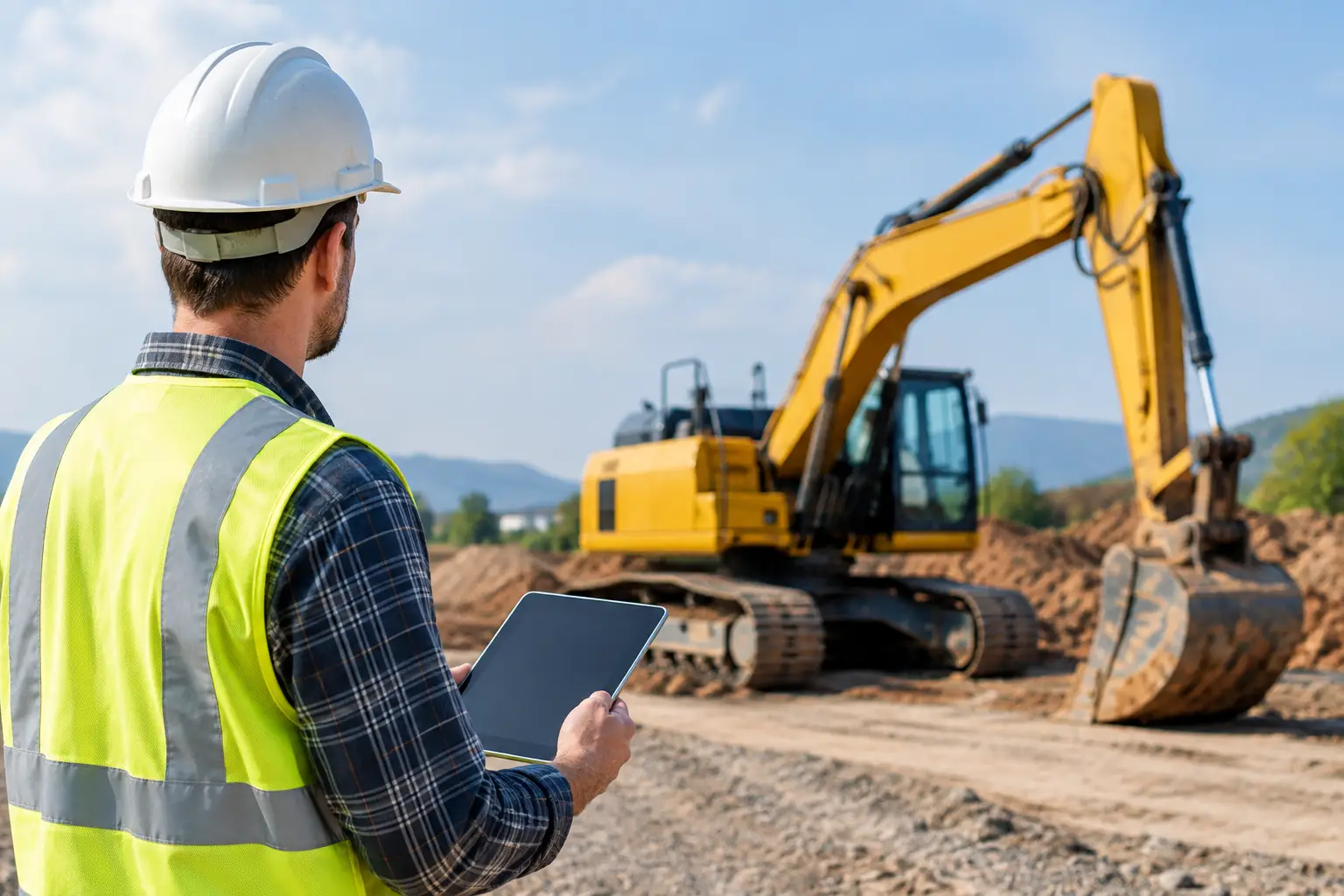
A construction equipment loan guide should start with the work already on your board, not with the monthly payment a lender first puts in front of you. A compact excavator that earns every day can strengthen your operation. A machine payment tied to uncertain work can put pressure on payroll, maintenance, and material purchases when the schedule shifts.
For contractors across Northeast Florida, the right financing structure comes down to machine fit, expected utilization, available cash, and the revenue the equipment will produce. Whether you are purchasing a first mini excavator for trenching and site prep or adding standardized units to a working fleet, the goal is the same: put productive iron on the job without creating unnecessary strain on the business.
Start the Construction Equipment Loan Guide With Machine Utilization
Before comparing rates, define what the machine will do and how often it will be working. Financing a 3,649-pound compact excavator for residential utility trenches is different from financing a 21,385-pound machine for recurring commercial excavation, demolition, or drainage work. The operating weight, digging depth, lift capacity, tailswing design, attachment needs, and transport requirements all affect the purchase price and the income the machine can support.
A good first question is simple: how many billable hours, days, or projects will this machine replace from your rental schedule? If your crew rents a mini excavator every week, ownership may provide more control over job timing and reduce repeat rental expense. If the work is occasional or highly seasonal, a shorter term, lower-cost used machine, or continued rental may be the better operating decision.
Build your estimate around realistic utilization, not maximum utilization. Florida weather, permitting delays, labor availability, maintenance intervals, transport time, and customer scheduling all reduce available working hours. Leave room for those realities when deciding what payment your business can carry.
Know the Main Equipment Financing Structures
Most buyers will encounter an equipment loan, an equipment finance agreement, or a lease. The right choice depends on ownership goals, cash flow, and how long you plan to keep the machine.
With an equipment loan, the lender provides funds for the purchase and the equipment typically serves as collateral. You make scheduled payments over a defined term, then own the machine after the loan is paid. This is a common path for contractors planning to run an excavator, loader, or telehandler for years and retain the asset in the fleet.
Equipment financing may be structured similarly, with fixed payments and the machine securing the agreement. Terms, documentation requirements, down payment expectations, and end-of-term ownership details can vary by lender, so read the agreement closely rather than assuming every product works the same way.
A lease can make sense when preserving cash is the priority, when a business intends to refresh equipment frequently, or when a predictable end-of-term option fits the fleet plan. However, lower upfront costs do not automatically mean lower total cost. Review the purchase option, mileage or hour restrictions if applicable, maintenance obligations, early termination terms, and total amount paid.
Set the Down Payment Around Working Capital
A larger down payment generally reduces the financed balance and may improve approval options or lower the monthly payment. It can also reduce the risk of owing more than the equipment is worth early in the term. That matters if your workload changes and you need to sell or trade the machine.
But do not drain the operating account just to minimize the payment. A contractor still needs cash for mobilization, insurance, fuel, attachments, maintenance, payroll, subcontractors, and the gap between completing work and collecting payment. A machine that is paid for in part but cannot be properly insured, transported, or serviced is not helping the job.
Look at the complete initial outlay. Depending on the deal, that may include the down payment, sales tax, title or registration expenses where applicable, delivery, insurance, a trailer upgrade, and attachments such as buckets, breakers, augers, thumbs, or grading tools. Include those costs in the capital plan from the start.
Match the Loan Term to the Equipment and Workload
A longer term usually lowers the monthly payment, which can protect cash flow during slower months. The trade-off is more interest paid over time and a longer period before you build meaningful equity in the machine. A shorter term costs more each month but can reduce total financing cost and free the business from the payment sooner.
For a durable machine that will stay productive in the fleet for many years, a longer term may be practical. For a used unit with higher operating hours, a specialized attachment, or equipment purchased for a defined contract, be careful about stretching the term too far. You do not want a payment remaining after the work has ended or major repair needs have increased.
Seasonal payment structures can be useful for businesses with predictable revenue cycles, but only if the schedule matches real collection patterns. Landscaping, agriculture, municipal work, and site development can all have uneven billing cycles. Ask how deferred payments, seasonal structures, or payment changes affect the total financing cost.
Compare Total Cost, Not Just the Advertised Rate
The interest rate matters, but it is not the only number that affects your cost. Compare the amount financed, payment frequency, term length, down payment, lender fees, documentation fees, prepayment rules, and any end-of-term requirements. Ask for a payment schedule that shows the full amount due over the life of the agreement.
A lower monthly payment can look attractive while carrying a longer term, added fees, or a large final payment. On the other hand, a slightly higher payment may be worthwhile if it gives you clearer ownership terms and less total interest. Put each offer on the same timeline before making the decision.
Prepare the Financial Information Lenders Will Review
Lenders want evidence that the business can make the payment from normal operations. Established companies may be asked for business financial statements, tax returns, bank statements, debt schedules, and information about current equipment. Newer businesses may also need to provide personal credit information, a personal guarantee, or proof of contracts and expected revenue.
Keep the equipment quote detailed. The quote should identify the machine, model year, condition if used, purchase price, attachments, and any relevant delivery or setup costs. A clear quote helps the lender evaluate the collateral and helps you avoid financing a package that is not fully defined.
If you are financing a used excavator, inspect it with the same discipline you would use for any fleet purchase. Check service history, operating hours, undercarriage condition, hydraulic performance, pins and bushings, attachments, tracks or tires, and signs of leaks or structural repair. A lower purchase price can be a good value, but expected maintenance needs should be part of the payment decision.
Protect Uptime After the Purchase
The loan payment is only one piece of equipment ownership. Plan for preventive maintenance, operator training, daily walkarounds, insurance, secure storage, and transport. Equipment downtime can cost more than the payment when it stops a trenching crew, delays a concrete schedule, or forces an emergency rental.
Choose a machine sized for the sites you actually work. A zero-tailswing mini excavator can be the right answer near walls, utilities, traffic, and tight residential access. A larger conventional-tailswing model may deliver stronger digging and lifting performance where space allows. Neither is automatically better. Productive equipment is equipment that can reach the work, complete the task safely, and move to the next job without creating a transport problem.
BRIGGS | JCB can help Jacksonville-area buyers compare compact equipment configurations, machine specifications, and financing paths before a quote becomes a commitment. Bring your expected workload, current rental costs, target machine size, and preferred payment range to the conversation.
The best financing decision leaves your crew with a capable machine, enough working capital to run it properly, and a payment that still makes sense when the jobsite does not go exactly as planned.