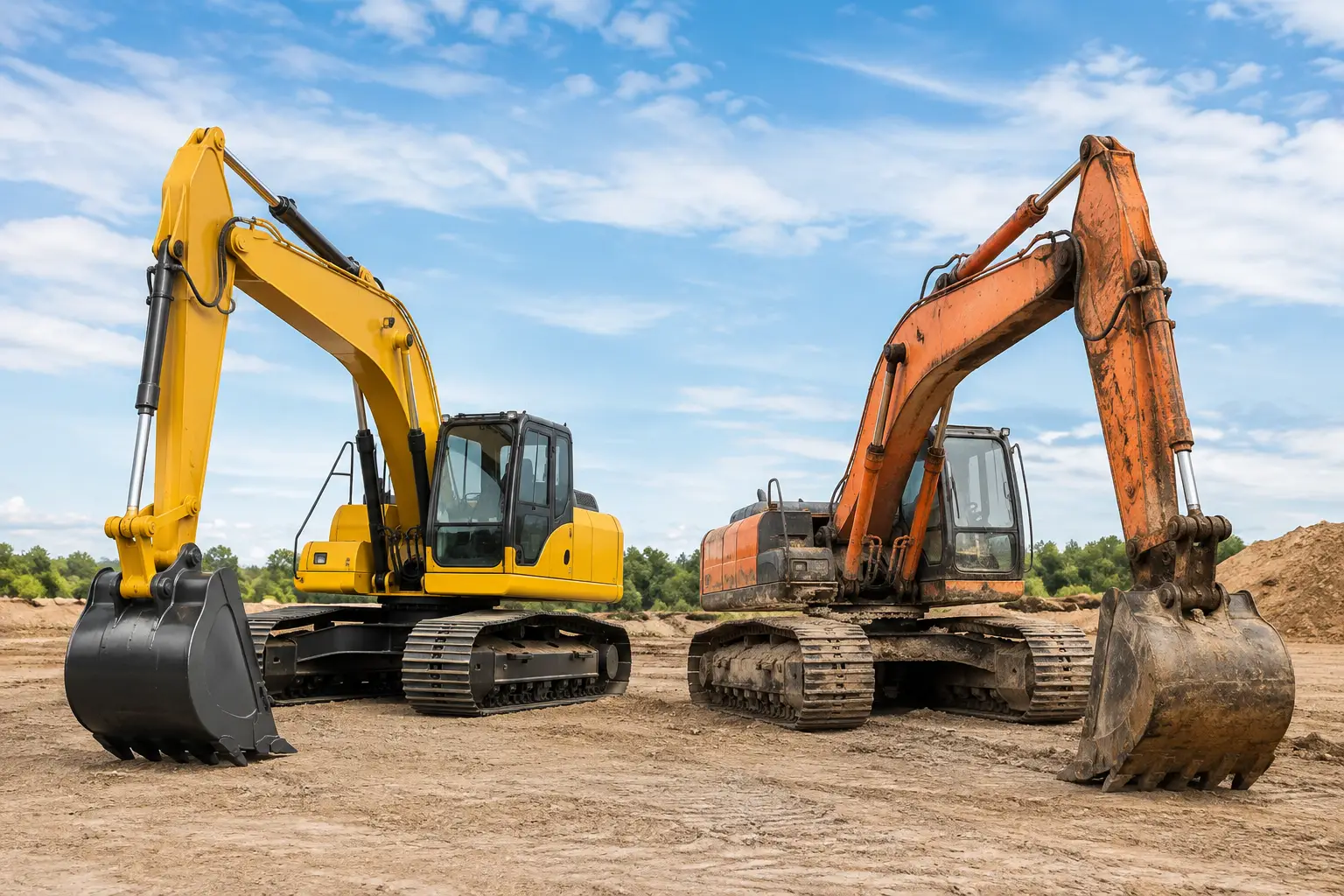
A compact excavator that cannot get to the job, fit the work area, or stay productive through a deadline is not a bargain. The new versus used excavators decision comes down to more than the purchase price. It affects your available cash, repair exposure, operator productivity, transport plan, and ability to take on the next job with confidence.
For a Jacksonville contractor, utility crew, landscaper, or property operator, the right choice depends on the work the machine will perform most often. A low-hour used unit may be the right move for occasional trenching and cleanup. A new machine may earn its cost quickly when it is expected to work every day on tight schedules, around crews, utilities, and finished surfaces.
New Versus Used Excavators Starts With the Work
Start with the application, not the listing. Define the trench depth, lift requirements, bucket capacity, attachment needs, access width, and ground conditions before comparing machines. A mini excavator that looks capable on paper can still be the wrong fit if its operating weight exceeds your trailer capacity or its tailswing creates problems beside buildings, traffic lanes, or fencing.
Operating weight, dig depth, dump height, engine power, and tailswing design should guide the initial comparison. A smaller excavator can be easier to tow, maneuver through gates, and position on residential work. A larger compact machine may provide the reach, breakout force, and lifting stability needed for deeper utility runs, demolition support, or material handling.
Zero-tailswing models are a practical choice when the house must rotate within the track width or close to a wall. Conventional-tailswing machines can be a strong option where space is open and machine balance is the higher priority. For indoor, municipal, or low-emission applications, an electric excavator may be worth considering if charging access and duty cycle align with the work.
When a new excavator earns its place
A new excavator makes sense when uptime is a revenue requirement, not simply a preference. Contractors building a fleet around recurring excavation, drainage, site-prep, utility, or grading work need predictable machine availability. New equipment provides known operating history from day one, current safety and operator-comfort features, and the opportunity to configure the machine for the way your crew works.
That configuration matters. The right auxiliary hydraulic setup, quick coupler, bucket package, thumb, cab or canopy, and track choice can prevent costly workarounds in the field. A machine ordered for its primary role is usually more productive than a used unit fitted with compromises after the purchase.
New equipment also gives buyers clearer cost planning. Financing can preserve working capital for payroll, fuel, materials, and mobilization while putting a dependable machine to work. Warranty coverage and dealer support can reduce exposure during the early ownership period, particularly for a first-time buyer who cannot afford a major unplanned repair.
Modern operator stations are another factor. Better visibility, control layout, seat comfort, climate control options, and smoother hydraulic response can make a difference over a full shift. Those features are not extras when they help an operator trench accurately, work safely near obstructions, and finish more productive hours with less fatigue.
When used equipment is the better business decision
Used excavators can deliver strong value when the duty cycle is lighter, the buyer has mechanical experience, or the budget needs to stretch across multiple pieces of equipment. A well-maintained used mini excavator may allow a growing contractor to add digging capability without tying up as much capital in one purchase.
Used can also be a smart choice for a specialized task. A property maintenance company that needs an excavator for periodic drainage work, fence-post removal, storm cleanup, and small demolition may not need the newest model. The key is buying enough machine condition and capacity for the actual workload, rather than paying for features that will sit idle.
However, hours alone do not tell the full story. A 2,000-hour excavator maintained on schedule and operated carefully may be a safer purchase than a lower-hour unit that spent its life breaking rock, working in abrasive material, or running with poor lubrication practices. Service records, inspection results, and visible wear matter more than an hour meter by itself.
Compare Total Cost, Not Just Purchase Price
The lower number on a used-machine price tag can be attractive, but ownership costs must be measured across the expected time you will keep the excavator. Include interest, insurance, transport, maintenance, likely repairs, attachments, and the cost of downtime. If a machine misses a contracted utility installation because of a hydraulic issue, the repair bill may be only part of the loss.
New machines generally carry a higher initial cost and may depreciate faster early in ownership. In return, they can provide lower repair risk, better fuel efficiency, current emissions equipment, and stronger resale appeal if maintained properly. Used equipment typically avoids the steepest early depreciation, but components such as tracks, undercarriage parts, hydraulic pumps, cylinders, and swing systems may be closer to expensive service intervals.
Think about billable utilization. If an excavator will work five or six days each week, a more dependable new machine can be easier to justify. If it will run only a few days each month, a carefully inspected used unit may produce a better return. There is no universal winner because utilization changes the math.
Inspect a used excavator like it will be your problem tomorrow
A professional inspection should be part of any used-equipment purchase. Run the machine from cold, operate every function, and inspect it after it has warmed up. Watch for slow or jerky hydraulics, unusual noise, leaks, excessive smoke, warning lights, and movement that does not feel controlled.
Pay close attention to these high-cost areas:
- Check the undercarriage for worn tracks, sprockets, rollers, idlers, damaged pads, and uneven track tension.
- Inspect the boom, stick, bucket linkage, and coupler for cracks, welding repairs, loose pins, and excessive bushing play.
- Test hydraulic cylinders, hoses, auxiliary circuits, and travel motors under load for leaks or weak performance.
- Review service records for routine maintenance, fluid changes, prior repairs, and any work completed on the engine or hydraulic system.
Also verify that the machine comes with the components you need. A deal can change quickly if you must purchase buckets, a thumb, a quick coupler, or attachment controls after delivery. Confirm the serial number, operating hours, ownership history when available, and whether the machine has been used in corrosive or salt-exposed conditions.
Match the Excavator to Florida Jobsites
Florida work brings its own demands. Sandy soils can change digging feel and stability. Frequent rain can turn access routes soft, while heat and humidity put added value on operator comfort and dependable cooling. For coastal work, corrosion prevention and regular cleaning deserve more attention than they might on inland jobsites.
Transport is equally practical. Check the combined weight of the excavator, buckets, attachments, trailer, and tow vehicle limits before committing to a machine. A compact excavator that can move legally and efficiently between jobs may create more opportunity than a larger unit that requires a heavier transport setup every time it moves.
For buyers comparing JCB compact excavators, the range from smaller machines suited to tight access through larger models built for serious digging and lifting allows the conversation to stay focused on measurable job requirements. Bring the dimensions of your access points, target trench depth, typical materials, and planned attachments to the equipment discussion. Those details lead to a better recommendation than a simple horsepower comparison.
Make the Purchase Decision Around Uptime
Choose new when you need known history, current features, warranty support, and dependable daily production. Choose used when the machine has been inspected thoroughly, its condition matches the price, and its expected workload leaves room for a maintenance reserve. Either route can be a solid investment when capacity, transport, attachments, and service needs have been considered before the deal is signed.
The best excavator is the one that arrives ready for the work, gives the operator room to work safely, and keeps your crew moving when the schedule is tight. Start with the jobs already on your board, then select the machine that can handle them without asking your business to carry more cost or risk than it should.